Non-Surgical-Facelifting

Hyaluronic Acid Lausanne

Lift and Revitalize with hialuronic threads in Lausanne

From CHF 600

Hyaluronic Acid Lausanne

How Hyaluronic Acid Injections Work at Finesse Institute (Lausanne)

If you’re searching for hyaluronic acid in Lausanne, you’re usually looking for two things at once: a natural result and a safe, medically controlled approach. At Finesse Institute in Lausanne, hyaluronic acid injections (dermal fillers) are designed to be a methodical, face-first treatment—built around facial balance, proportions, and long-term harmony rather than “adding millilitres”.

1) The first step: a medical consultation (not a “quick filler appointment”)

A good result starts before any syringe is opened. Your first visit typically focuses on:

  • Your objective: refresh, restore volume, contour, or correct a specific area (lips, cheeks, under-eyes, jawline, chin, nasolabial folds, etc.)
  • Your face at rest and in motion: expressions matter—smiling, speaking, and profile angles can change the strategy
  • Your medical history: allergies, autoimmune conditions, skin infections, blood thinners, previous fillers, dissolving history, and past aesthetic procedures
  • Aesthetic plan: where support is needed first (structure), then refinement (finish)

This planning phase is what separates a “filled” look from a natural, controlled enhancement.

2) Mapping your face: “shape and support” before volume

At Finesse Institute, the typical logic is to treat the face like an architecture project:

  • Support points first (cheeks, temples, chin, jawline—depending on your needs)
  • Balance second (symmetry, transitions, proportions)
  • Detail zones last (lips definition, fine contouring, micro-corrections)

This approach helps avoid the classic pitfalls of overfilling a single area while the rest of the face lacks structure.

3) Choosing the right hyaluronic acid (it’s not all the same)

“Hyaluronic acid” is one ingredient, but fillers differ in texture, elasticity, and how they behave under the skin.

In practice, the product choice depends on:

  • The zone (under-eyes vs. cheekbones vs. lips)
  • Skin thickness
  • Desired movement (natural mobility vs. sculpted definition)
  • Longevity vs. reversibility strategy
  • Safety profile for the area (some zones require extra caution)

The goal: a filler that integrates smoothly and looks natural in everyday life—daylight, office lighting, selfies, and real facial expressions.

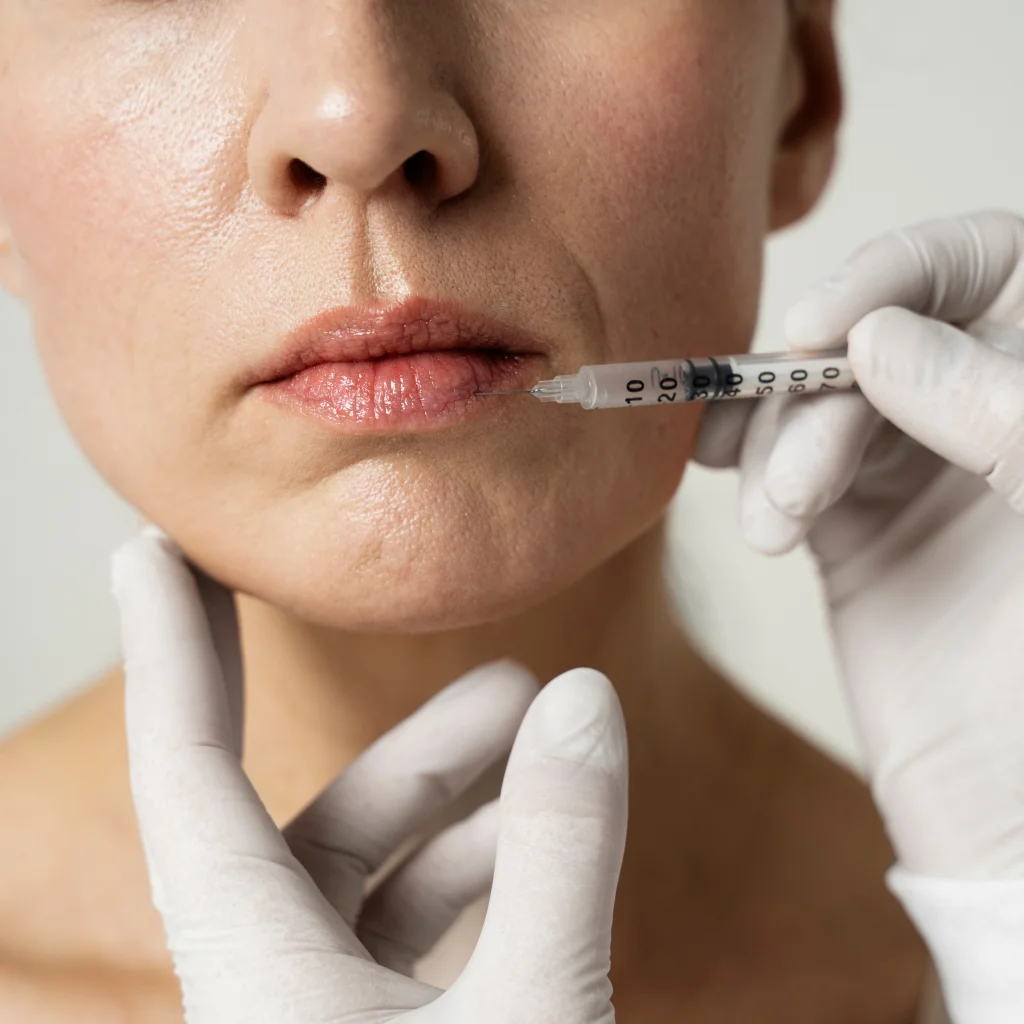
4) The injection: technique, comfort, and precision

A typical hyaluronic acid treatment session in Lausanne follows a structured flow:

Preparation

  • Cleansing and disinfection
  • Photos (often used for objective tracking)
  • Optional numbing (especially for lips)
  • Clear explanation of where and why product is placed

Injection techniques (selected based on zone)

  • Micro-aliquots (tiny amounts placed gradually for control)
  • Cannula or needle depending on the area and strategy
  • Layer placement (deep support vs. superficial refinement)

You should expect a result that looks better, not “obviously done”.

5) Immediately after: what you can realistically expect

Right after the session, it’s normal to see:

  • Mild swelling (common in lips and under-eye area)
  • Small bruises (varies by person and technique)
  • Tenderness to touch for a few days

Most people in Lausanne return to normal activity quickly, but if you have an event, plan a buffer (because bruising is unpredictable).

6) Aftercare: the simple rules that protect your result

After hyaluronic acid injections, you’ll typically be advised to:

  • Avoid intense sport for 24–48 hours
  • Avoid saunas/steam rooms and strong heat for a short period
  • Avoid alcohol the same day (bruising risk)
  • Don’t massage the treated area unless instructed
  • Sleep on your back the first night if possible (especially after cheeks/lips)

If anything feels unusual (persistent pain, marked asymmetry, significant colour change), you should contact the clinic promptly.

7) Results and timeline: when does it look “final”?

  • Immediately: you see an improvement, but swelling can distort the perception
  • 48–72 hours: the face calms down noticeably
  • 7–14 days: the result typically stabilizes and looks more “you”

A follow-up may be suggested for micro-adjustments depending on the plan.

8) How long does it last?

Longevity depends on the zone, product, and your metabolism:

  • Lips often fade faster than structural areas
  • Cheek and chin support can last longer
  • Lifestyle (sport intensity, weight fluctuations) can influence duration

The best strategy isn’t always “make it last the longest”—it’s “make it look right, safely, and predictably”.

9) Safety: what matters most with dermal fillers

Hyaluronic acid is widely used because it is biocompatible and, in many cases, reversible (with an enzyme, when appropriate). That said, it remains a medical act with potential risks.

A serious approach includes:

  • Proper medical assessment
  • Conservative dosing
  • Clear technique adapted to facial anatomy
  • A plan for managing complications (even if rare)

Questions and answers

Does it hurt?
Most patients describe it as uncomfortable rather than painful. Lips can be more sensitive; numbing options help.

Will I look “done”?
A well-planned treatment aims for a natural result: fresher, more balanced, more rested—not inflated.

Is it reversible?
In many situations, hyaluronic acid fillers can be dissolved if needed, depending on the product and area.

How much product do I need?
The best question is not “how many ml,” but “what does my face need first?” Many natural results come from small, strategic amounts.

Can I do it before an event?
Yes, but plan ahead. Bruises or swelling can happen. Ideally, schedule at least 1–2 weeks before.

Book a consultation at Finesse Institute (Lausanne)

If your goal is Acide hyaluronique Lausanne with a medical, face-balance approach, you can start by reviewing the dedicated page and booking your consultation here:

Key Points

Treatment Duration

60 minutes

Sessions

1

Costs

600.- CHF

Consultation

Free initial consultation for the treatment plan

Follow Up

Free check-up and review; reinforcement if necessary at no additional cost

Effect

48h for the threads

Consequences

Recovery after 48 hours for sutures

Pain

Local anesthesia

Hyaluronic Acid Lausanne

How does it works?

Free Consultation

During your complimentary consultation, our doctors will discuss your desired outcomes and ensure that your health condition is suitable for the treatment. We are committed to understanding your unique needs and tailoring our approach to achieve the best possible results for you.

The Treatment

Once we determine that there are no contraindications, we usually can proceed with the treatment during your first visit. The procedure, tailored specifically to your facial structure, takes approximately 30 minutes, depending on the areas being treated. Our focus is on enhancing your natural beauty and ensuring a harmonious result.

Results

You will not experience minimal disruption to your daily life following our non-invasive treatments. You’ll be socially ready immediately after the procedure. The healing process can be influenced by several factors, and your behavior immediately following the procedure is crucial for achieving long-lasting and beautiful results.

Follow-Up

We prioritize your satisfaction and carefully monitor your progress in a follow-up appointment. If necessary, we will reinforce the treatment during the next visit at no additional cost. This comprehensive approach ensures that you achieve the desired long-lasting and beautiful results, maintaining the natural elegance and enhanced appearance we strive for at FINESSE Institute. Your complete look is always considered, guaranteeing a balanced and refined outcome.

Aesthetic clinic in Lausanne

Hyaluronic acid (HA) is a sugar-based molecule that your body naturally produces. It’s found in your skin, joints, and connective tissues, where its main role is to attract and hold water—helping tissues stay hydrated, smooth, and cushioned.

Why hyaluronic acid matters in the skin

In the skin, HA acts like a moisture reservoir:

  • It binds water to keep skin plump and supple
  • It supports the skin’s elasticity and surface smoothness
  • It helps maintain a healthy-looking skin texture

Over time, natural HA levels tend to decrease, which contributes to:

  • Dehydration and dullness
  • Loss of volume and support
  • More visible lines and folds

Hyaluronic acid in aesthetic medicine (dermal fillers)

In aesthetic medicine, hyaluronic acid is used in two main ways:

1) Hyaluronic acid dermal fillers (for shape and volume)
These are gel-like products injected to:

  • restore lost volume (cheeks, temples)
  • refine contours (jawline, chin)
  • soften folds (nasolabial lines)
  • enhance lips (shape, definition, or volume)

Fillers differ in firmness and elasticity depending on the area being treated.

2) Skin-boosting HA treatments (for hydration and quality)
Some HA products are designed less for volume and more for:

  • improving hydration
  • smoothing fine texture
  • giving a glow and better skin feel

Is hyaluronic acid safe?

Because HA is naturally present in the body, it’s generally biocompatible. Another reason it’s widely used is that many HA fillers are adjustable and, in many cases, reversible (depending on the situation and product).

Book an appointment for your first hyaluronic acid consultation in Lausanne


Hyaluronic acid (dermal fillers) can deliver natural, high-impact results for both men and women—but the best outcomes are not “one style fits all.” The difference is usually in aesthetic goals, facial anatomy, and how much definition vs softness is preserved.

The key idea: same product family, different aesthetic codes

  • Women often request a result that enhances soft contours, gentle volume, and facial harmony (without looking overfilled).
  • Men typically want a result that preserves a strong, structured, athletic look (sharper angles, less “plumpness,” very discreet changes).

A good plan respects what naturally reads as masculine or feminine on the face—while still matching your personal style.


Typical results for women

Common goals include:

  • Cheek support for a refreshed midface (lifting effect and smoother transitions)
  • Lip enhancement focused on shape, hydration, definition, or subtle volume
  • Under-eye improvement (tear trough) to reduce a tired look (requires precision)
  • Softening folds (nasolabial lines, marionette lines) while keeping expression natural
  • Profile balance (chin refinement, jawline smoothing)

Natural-looking female results usually come from: small amounts, layered placement, and restoring support before adding visible volume.


Typical results for men

Common goals include:

  • Jawline definition (cleaner mandibular line without roundness)
  • Chin projection for stronger profile balance
  • Under-eye support to look less tired (without creating puffiness)
  • Midface support when needed, but usually more conservative to avoid “cheeky” fullness
  • Subtle correction of folds while maintaining a rugged, natural texture

Natural-looking male results usually focus on: structure, straight lines, and avoiding excessive lip/cheek volume.


Areas where the approach often differs most

Lips

  • Women: more likely to request shape + volume + definition (still natural)
  • Men: often prefer hydration and subtle border definition—minimal volume

Cheeks

  • Women: gentle restoration can be very flattering
  • Men: treated carefully—too much can feminize the face

Jawline and chin

  • Women: refinement and balance, sometimes softer angles
  • Men: sharper definition and stronger projection (but still proportional)

What stays the same for both

  • The best results look natural in motion (smiling, speaking)
  • The plan should be face-led, not “ml-led”
  • A progressive approach often looks most natural (especially for first-time patients)
  • Results typically settle over 7–14 days

How to keep results natural (for any gender)

A good injector will:

  • assess your face front, profile, and in expression
  • choose filler type based on zone and tissue
  • place product with precision (often micro-doses)
  • aim for balance rather than obvious volume


Hyaluronic acid fillers can be used to restore volume, improve proportions, refine contours, and soften shadows—as long as the plan respects facial anatomy and aims for a natural look. Here are the most common facial areas that can be worked on.

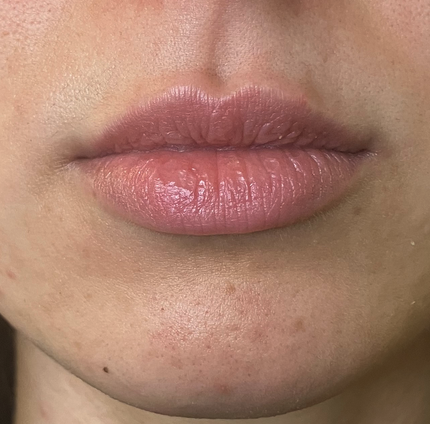
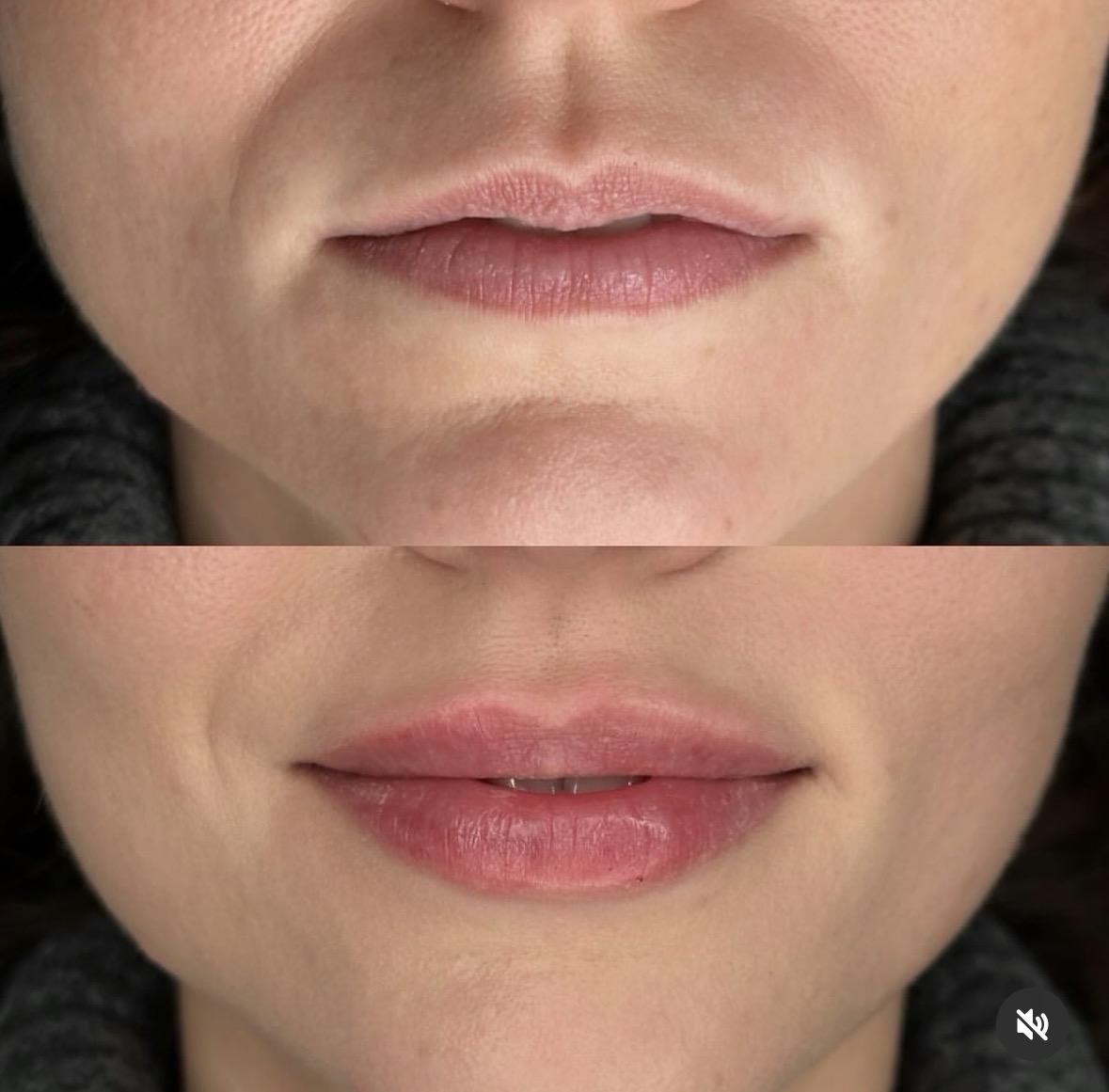
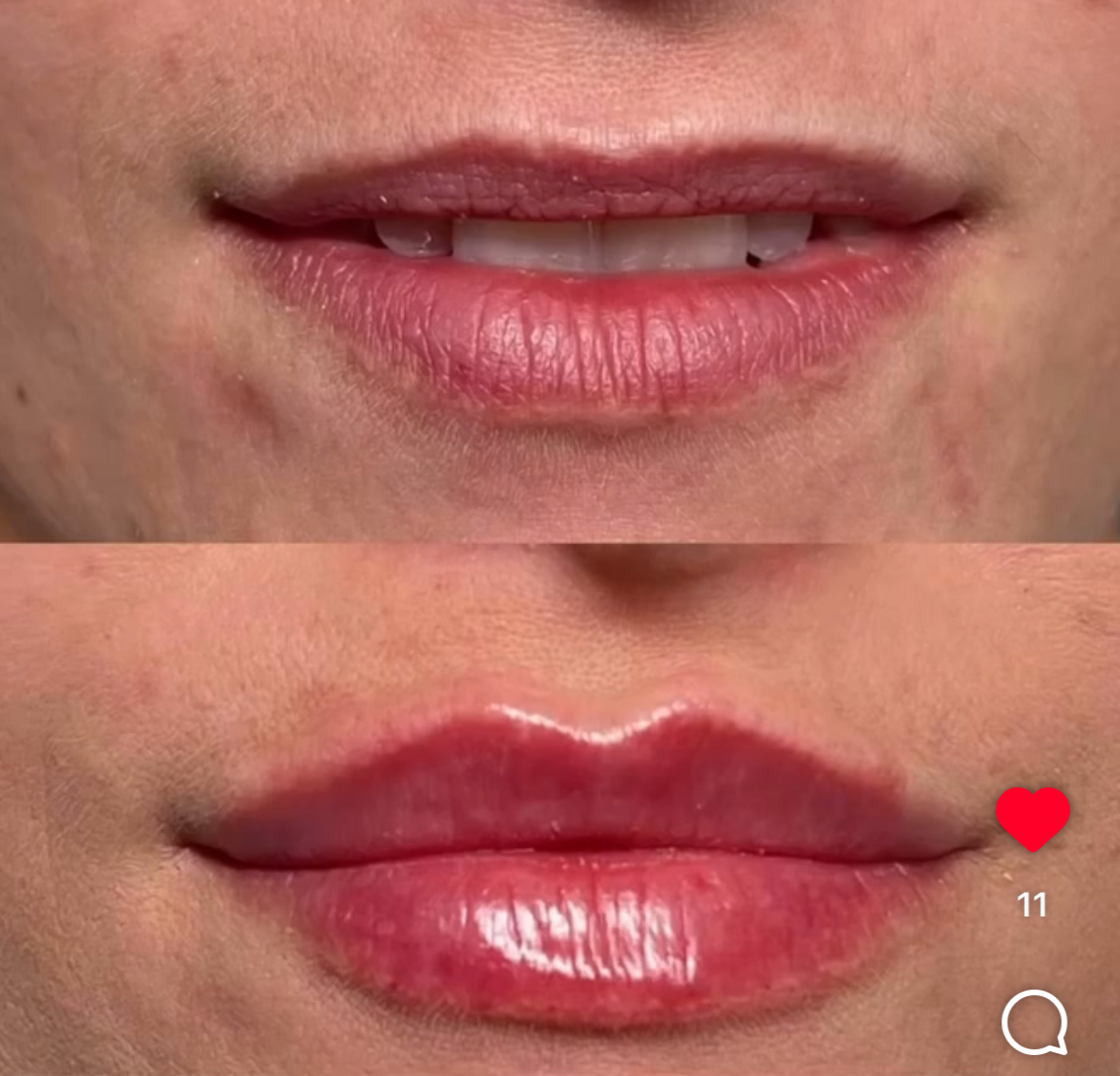
1) Lips (lip filler)

  • Add definition (Cupid’s bow, vermilion border)
  • Improve hydration and smooth fine lines
  • Create subtle volume or better symmetry
    Natural goal: shape first, then volume (especially for men).

2) Cheeks / Midface

  • Restore support and lift the midface of cheeks
  • Improve facial balance and reduce “tired” heaviness
    Natural goal: structural support without “puffy cheeks.”

3) Under-eyes (tear trough)

  • Reduce a tired look by improving shadowing
  • Smooth the transition between lower eyelid and cheek
    Note: this is a precision area—correct product + technique is essential.

4) Nasolabial folds (smile lines)

  • Soften the fold and improve transitions
  • Often treated indirectly by supporting the cheeks first
    Natural goal: soften, not erase (keeping expression believable).

5) Marionette lines (corners of the mouth)

  • Reduce downward shadows at the mouth corners
  • Improve overall lower-face harmony

6) Chin

  • Improve profile balance (projection, length, symmetry)
  • Refine shape (more definition without surgery)
    Natural goal: proportional enhancement that fits the jawline.

7) Jawline

  • Create a cleaner mandibular contour
  • Improve definition from chin to angle of the jaw
    Natural goal: structured but not “over-carved.”

8) Temples

  • Restore volume loss that can make the face look hollow
  • Improve overall facial framing
    Natural goal: subtle restoration (temples are a key “age marker”).

9) Nose (non-surgical rhinoplasty — in selected cases)

  • Smooth a small bump, improve profile line, subtle tip support
    Important: higher-risk zone; should be done only by experienced injectors with strict safety protocols.

10) Eyebrow / upper face support (in selected cases)

  • Minor contour balancing near the brow/upper orbit
    Often subtle, used for harmony rather than “visible volume.”

11) Fine lines around the mouth (perioral lines)

  • Soften vertical lip lines (often with very small amounts)
  • Improve hydration/texture
    Natural goal: refinement without stiffness.

“Full face” approach: the most natural strategy

Many natural-looking results come from a full-face plan:

  1. structural support (cheeks/chin/jaw/temples)
  2. balance and transitions
  3. finishing zones (lips, fine lines)

This avoids overfilling one area while ignoring what’s causing the imbalance.

Book an appointment for your first hyaluronic acid consultation in Lausanne


Pain management for dermal fillers is usually straightforward. Most patients describe the treatment as uncomfortable rather than painful, and clinicians use several methods to keep you comfortable—especially for sensitive areas like the lips.

1) Topical numbing cream (most common)

A numbing cream can be applied before the injections, especially for:

  • Lips
  • Perioral area (around the mouth)
  • More sensitive skin zones

It typically needs 10–30 minutes to take effect (varies by protocol).

2) Fillers that already contain lidocaine

Many hyaluronic acid fillers include lidocaine (a local anesthetic) inside the gel.
This often means:

  • The first few injections are felt more,
  • Then it becomes noticeably more comfortable as the lidocaine works locally.

3) Ice/cold compress before or after

A cold compress can help by:

  • reducing surface sensitivity
  • lowering swelling risk
  • decreasing bruising in some patients

4) Cannula technique in selected areas

For certain zones, a blunt cannula may be used instead of a sharp needle. This can:

  • reduce bruising risk in some cases
  • feel less “sharp” during placement
    (Technique choice depends on anatomy and treatment goal.)

5) Slow, micro-dose injections

A natural-looking plan often uses small amounts placed gradually. This also tends to be:

  • more comfortable
  • less traumatic to tissue
  • better for precision and symmetry

6) Breathing, pacing, and breaks

A good injector will:

  • explain what you’ll feel before each step
  • work slowly
  • offer short breaks if you’re tense or sensitive

How it feels by area (typical)

  • Lips: usually the most sensitive (pressure + pinching sensation)
  • Under-eyes (tear trough): often more “pressure” than pain
  • Cheeks/chin/jawline: commonly well tolerated; pressure/tightness is more typical than sharp pain
  • Nasolabial folds/marionette lines: moderate sensitivity depending on technique

What’s normal after the appointment

  • mild soreness or tenderness for 24–72 hours
  • tightness or “pressure” sensation in contour areas
  • swelling (especially lips)

When pain is NOT normal (seek advice quickly)

Contact a clinic urgently if you experience:

  • severe or worsening pain
  • skin color changes (white/grey/purple/blotchy)
  • coldness of the skin or intense burning
  • vision symptoms (very rare, but urgent)


Hyaluronic acid fillers are not permanent. Your body gradually breaks them down over time, so results fade progressively rather than “suddenly disappearing.” In Lausanne, most patients choose fillers because they offer a natural, reversible, adjustable way to maintain facial balance.

Typical longevity (general ranges)

Results vary a lot (product type, technique, your metabolism, the area), but these are common timelines:

  • Lips: ~ 4–8 months (often the fastest to fade because lips move constantly)
  • Nasolabial folds / marionette lines: ~ 6–12 months
  • Under-eyes (tear trough): ~ 9–18 months (can last longer, but requires high precision)
  • Cheeks / midface support: ~ 12–18 months (sometimes longer with structural placement)
  • Chin / jawline contouring: ~ 12–18 months (often longer than lips)

Some people still see a subtle effect beyond these ranges, especially in areas treated for structure/support rather than “soft volume.”

Why some areas last longer than others

Longevity depends mainly on:

  • Movement: high-mobility zones (lips) break down faster
  • Depth of placement: deeper support often lasts longer than very superficial placement
  • Product characteristics: different hyaluronic acid “textures” and crosslinking behave differently
  • Your metabolism & lifestyle: some people naturally metabolise filler faster

What influences how long your results last

Can reduce longevity:

  • Very high physical activity (some athletes metabolise filler faster)
  • Frequent heat exposure (sauna/steam/very hot environments)
  • Major weight fluctuations (changes facial volume/structure)
  • Smoking and excessive sun exposure (accelerates skin ageing and can affect overall aesthetic stability)

Can help results stay stable:

  • A progressive, structured plan (support first, refinement second)
  • Consistent skincare + daily SPF
  • Stable weight and good general health habits
  • Correct product choice for each zone (lips ≠ cheeks ≠ under-eyes)

How maintenance usually works (for natural results)

A natural look is typically maintained with:

  • A review at 2–4 weeks (if needed, for fine-tuning once swelling has fully settled)
  • Then a touch-up schedule often around:
    • 6–9 months for lips
    • 9–18 months for structural areas (cheeks/chin/jawline)

Many clinicians prefer small top-ups rather than letting everything fully fade and restarting from zero—this keeps results subtle and reduces the risk of overfilling.

“Will I get dependent on fillers?”

No—your face won’t “collapse” if you stop. You’ll simply return gradually toward your baseline as the filler is metabolised. That said, once you enjoy a fresher balance, you may choose to maintain it.

Book an appointment for your first hyaluronic acid consultation in Lausanne


A natural result doesn’t mean “no change.” It means people notice you look fresher, more rested, better balanced—without being able to pinpoint why. In Lausanne (and anywhere), the most natural filler outcomes come from strategy + restraint + anatomy, not from “more product.”

What a natural result should look like

  • Your face keeps its expressions (smile, laugh, talk) without stiffness
  • The improvement is harmonious (no single zone looks “done”)
  • The face looks less tired (soft shadows, smoother transitions)
  • Your features stay proportional (lips fit the face, cheeks don’t dominate, jawline stays believable)
  • In daylight and photos, the result looks like you on a great week, not a different person

How clinicians get a natural look (the real principles)

1) Structural support before volume
Natural results often come from tiny, well-placed support in key points (cheek support, chin balance, jawline definition) rather than inflating the “problem area.”

2) Micro-dosing and layering
Small amounts placed in the right plane (deep support vs superficial refinement) usually beat large single-session corrections.

3) Product choice matched to the zone
Not all hyaluronic acids behave the same. A natural result depends on the right texture/elasticity for each area (lips ≠ cheeks ≠ under-eyes).

4) Respecting movement (“dynamic face”)
A face isn’t static. Natural filler work anticipates how tissue moves when you speak and smile.

5) Step-by-step plan
The most natural results are often built over 2 sessions, not one aggressive treatment.

Areas where “natural” is easiest vs trickiest

  • Often easiest to keep natural: cheeks (support), chin/jawline (definition), mild folds (softening)
  • Needs extra finesse: lips (shape vs volume), under-eyes/tear trough (risk of puffiness or bluish tone)

What you’ll notice after treatment (timeline)

  • Day 0–2: swelling can make the result look stronger than it will be
  • Day 3–7: features soften and integrate
  • Day 10–14: typically the most “true” version of the result (especially lips)

Signs the plan is aiming for “natural”

  • The injector talks about balance and proportions, not “how many ml”
  • They recommend conservative dosing and reassessment
  • They explain why each zone is treated (support → balance → finish)
  • They plan for a follow-up rather than chasing perfection on day one

Red flags for unnatural outcomes

  • Pushing volume without evaluating the whole face
  • “One-size-fits-all” filler for every area
  • Promising a dramatic change with no swelling/bruising or downtime
  • Treating lips as “just add volume” (instead of structure and ratio)

What to ask in consultation (to get a natural result)

  • “How will you keep my result natural in motion (smiling/talking)?”
  • “Which areas will you support first—and why?”
  • “Do you prefer a progressive plan over two sessions?”
  • “What’s your strategy if it looks slightly uneven once swelling settles?”


Dermal fillers (including hyaluronic acid fillers) are generally well tolerated, but they are still a medical procedure. Complications range from mild and temporary to rare but serious.

Common, expected side effects (hours to a few days)

  • Redness, swelling, tenderness
  • Bruising
  • Mild pain or sensitivity
  • Temporary unevenness from swelling
  • Small bumps that usually settle as the product integrates

Less common complications (days to weeks)

  • Lumps/nodules (product clumping or uneven placement)
  • Overcorrection / “too much volume”
  • Asymmetry or an unnatural contour
  • Migration (filler shifting from where it was placed)
  • Tyndall effect (bluish/grey tint, usually when filler is too superficial—often seen under the eyes)
  • Infection (red, hot, painful swelling; sometimes with fever)
  • Cold sore reactivation (especially after lip fillers, if prone to HSV)

Delayed complications (weeks to months, sometimes longer)

  • Delayed inflammatory reactions (swelling, firmness, redness that appears later)
  • Granulomas (chronic inflammatory nodules)
  • Biofilm-related issues (recurring tenderness or swelling around the filler, debated but clinically considered)
  • Persistent edema (notably in the tear trough/under-eye area)

Rare but serious complications (need urgent assessment)

These are uncommon, but important to know:

1) Vascular occlusion (blocked blood vessel)

Can lead to skin injury/necrosis if not treated quickly.
Warning signs:

  • Severe or escalating pain (not just tenderness)
  • Skin turning white, grey, dusky, purple, mottled or “lacy”
  • Area feels cold or unusually numb/burning

2) Vision complications (very rare)

In extremely rare cases, filler can affect blood supply to the eye, causing visual disturbance or blindness.
Warning signs:

  • Any vision change, eye pain, drooping eyelid, severe headache soon after injection

3) Stroke-like events (extremely rare)

Neurologic symptoms such as weakness, difficulty speaking, confusion—this is an emergency.

What to do if you’re worried

  • For mild swelling/bruising: usually monitor, follow aftercare, and contact your injector if unsure.
  • For severe pain, color changes, cold skin, spreading swelling, fever, or any vision symptoms: seek urgent medical care immediately.


A good candidate for hyaluronic acid (dermal fillers) in Lausanne is someone who wants a natural-looking improvement (not a drastic change) and is medically suitable after an in-person assessment.

Good candidates typically want to

  • Refresh a tired look (subtle “well-rested” effect)
  • Restore volume lost with time (cheeks, temples, midface)
  • Soften folds (nasolabial folds, marionette lines) without looking overfilled
  • Define contours (jawline, chin) while keeping facial harmony
  • Enhance lips with proportion and structure (not just volume)
  • Improve skin hydration/quality with specific hyaluronic acid treatments (depending on product type)

You’re usually a strong candidate if you

  • Are in good general health
  • Have realistic expectations and prefer a progressive plan (often small amounts over time)
  • Want results that still look like you—just more balanced, fresher, or better structured
  • Can follow aftercare instructions and accept that swelling/bruising can happen

Typical profiles in practice (Lausanne)

  • First-timers looking for conservative enhancement (lips, chin, mild contouring)
  • People noticing early volume changes (late 20s–40s) who want prevention-by-balance rather than “filling everything”
  • Patients with visible facial aging signs (40s–60s+) who want restoration and structure
  • Anyone preparing for a life moment (photos, weddings, career events) with enough time (ideally 2+ weeks) for swelling to settle

You may need extra caution or may not be a candidate if you have

(You should disclose these during your consultation.)

  • Pregnancy or breastfeeding (often avoided)
  • Active skin infection, acne flare, cold sore outbreak, or fever
  • A history of severe allergies/anaphylaxis (requires careful medical evaluation)
  • Autoimmune disease or immune-modulating treatments (case-by-case)
  • Bleeding disorders or use of blood thinners (bruising risk; never stop medication without medical advice)
  • Previous filler complications, nodules, or unclear filler history
  • Unrealistic expectations (wanting a totally different face) or significant distress about appearance (a careful discussion is important)

Quick self-check before booking

If you can say “yes” to these, you’re likely in the right category:

  • “I want a subtle, natural change.”
  • “I’m OK with a step-by-step approach.”
  • “I understand results can take 7–14 days to settle.”
  • “I’m willing to do a medical consultation first.”

Book an appointment for your first hyaluronic acid consultation in Lausanne


Here are the usual post-treatment care steps after hyaluronic acid injections (face or lips). Always follow the specific instructions given by your injector, because aftercare can vary by area and technique.

Right after the appointment (first 2–6 hours)

  • Keep the area clean and avoid touching it unnecessarily.
  • Do not apply makeup on the treated area for at least 6–12 hours (or as advised).
  • If you feel warmth or swelling, use a cold compress (wrapped in a clean cloth) for 5–10 minutes at a time, with breaks.

First 24 hours

  • No intense exercise (gym, running, heavy lifting). Increased blood flow can worsen swelling/bruising.
  • Avoid alcohol (can increase bruising).
  • Avoid heat exposure: hot showers, saunas, steam rooms, hammams, sunbeds.
  • Avoid facial treatments: massages, scrubs, peels, devices, or anything that puts pressure on the area.
  • Try not to press your face (phone pressed to cheek, tight helmet, etc.).

First 48 hours

  • Sleep on your back if possible (especially after lips, cheeks, jawline) to reduce pressure and asymmetry.
  • Continue to avoid strong heat and very cold exposure (extreme temperatures can aggravate swelling).

What to avoid for 1–2 weeks (depending on the area)

  • Facial massages, strong manipulation of the treated area.
  • Dental work (if possible) right after fillers—especially around the mouth—unless urgent.
  • Laser/energy treatments on the injected zone unless your practitioner says it’s safe.
  • High-pressure activities that compress the area (some sports gear, tight masks).

Can I massage the area?

  • Do not massage unless your injector specifically instructs you to.
    In some cases, a clinician may recommend gentle pressure on a small lump, but only with clear guidance.

Normal side effects (common)

  • Mild swelling, tenderness, and redness for a few days
  • Small bruises (can last 3–10 days)
  • A temporary feeling of firmness or “product presence” that usually settles as the filler integrates

When will it look “final”?

  • Immediately: you see the change, but swelling can distort it
  • 3–7 days: much more settled
  • 10–14 days: typically the most stable appearance (especially for lips)

Warning signs — when to contact a clinic urgently

Seek medical advice promptly if you notice:

  • Severe or worsening pain
  • Skin that turns white, grey, purple, or blotchy
  • Coldness in the skin, unusual numbness, or intense burning
  • Vision problems, severe headache, or anything that feels “not normal”
    These are uncommon, but they require rapid assessment.

Practical tips

  • If you bruise easily, ask your clinician before treatment about medications/supplements that may increase bruising (never stop prescribed medication without medical advice).
  • Plan your appointment 1–2 weeks before a big event, just in case you bruise.


Book a Treatment

Hyaluronic Acid Lausanne

Lift and Revitalize with hialuronic threads in Lausanne

From CHF 600

Book a Treatment